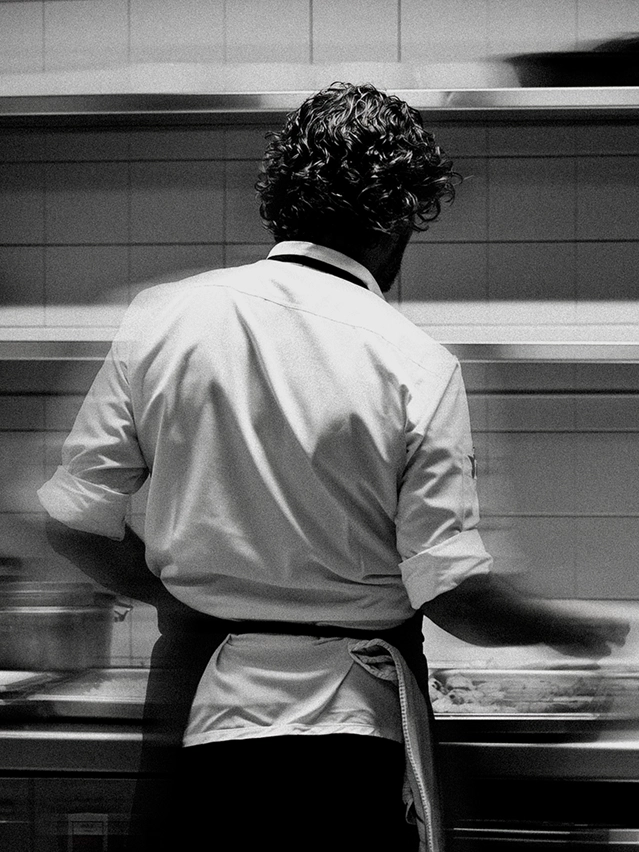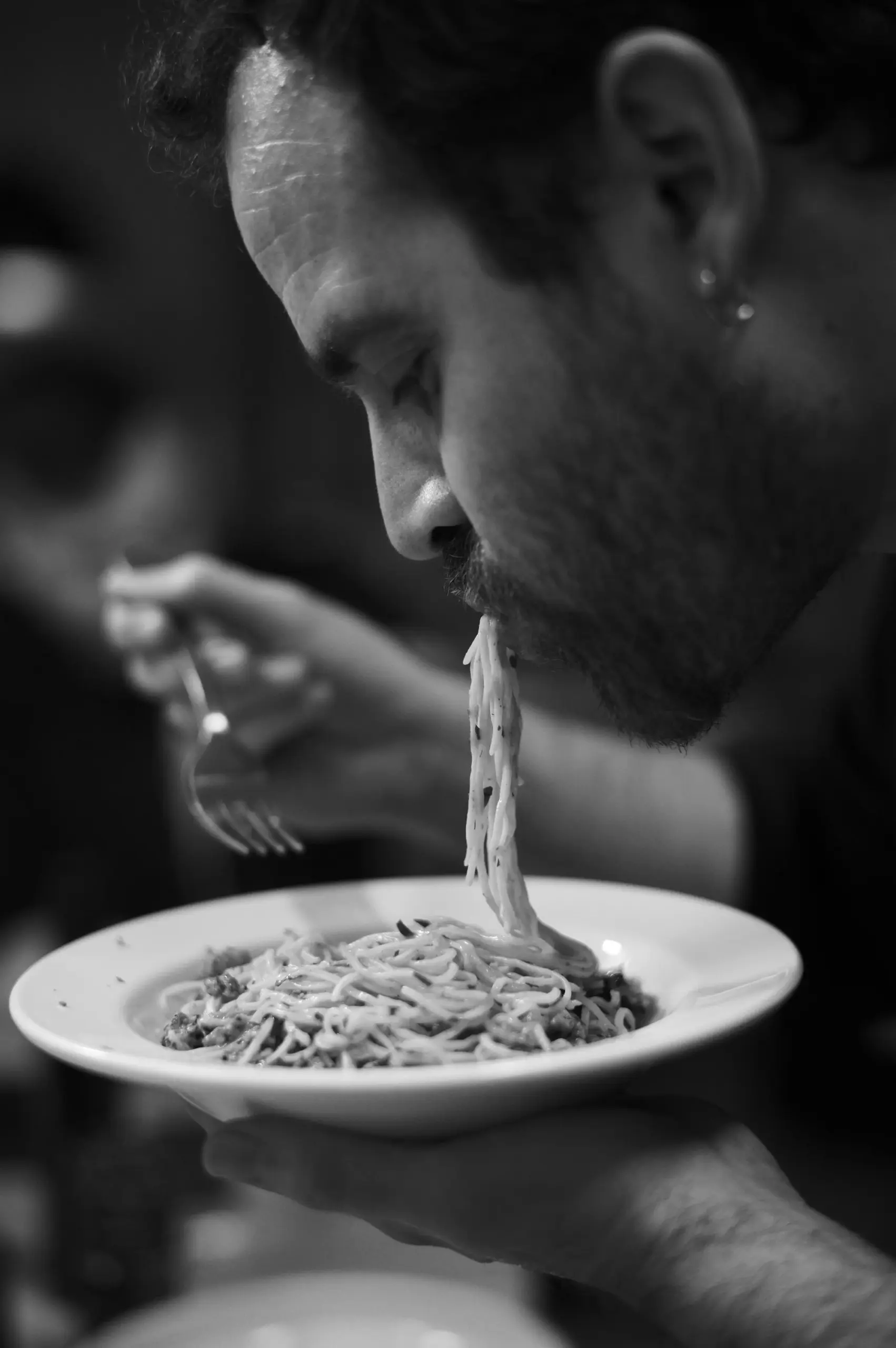
For food brands that want more than a flavour note.
Industrial food has become very good at speed, consistency, and cost. But you can feel when flavour was built in a kitchen and when it was added at the end.
A stew should taste cooked. A sauce should have a middle, not just a first hit. A plant-based recipe should not need an excuse. That is the space we work in: real ingredients, fermentation and culinary thinking, made usable at scale.
What we mean by real food flavour
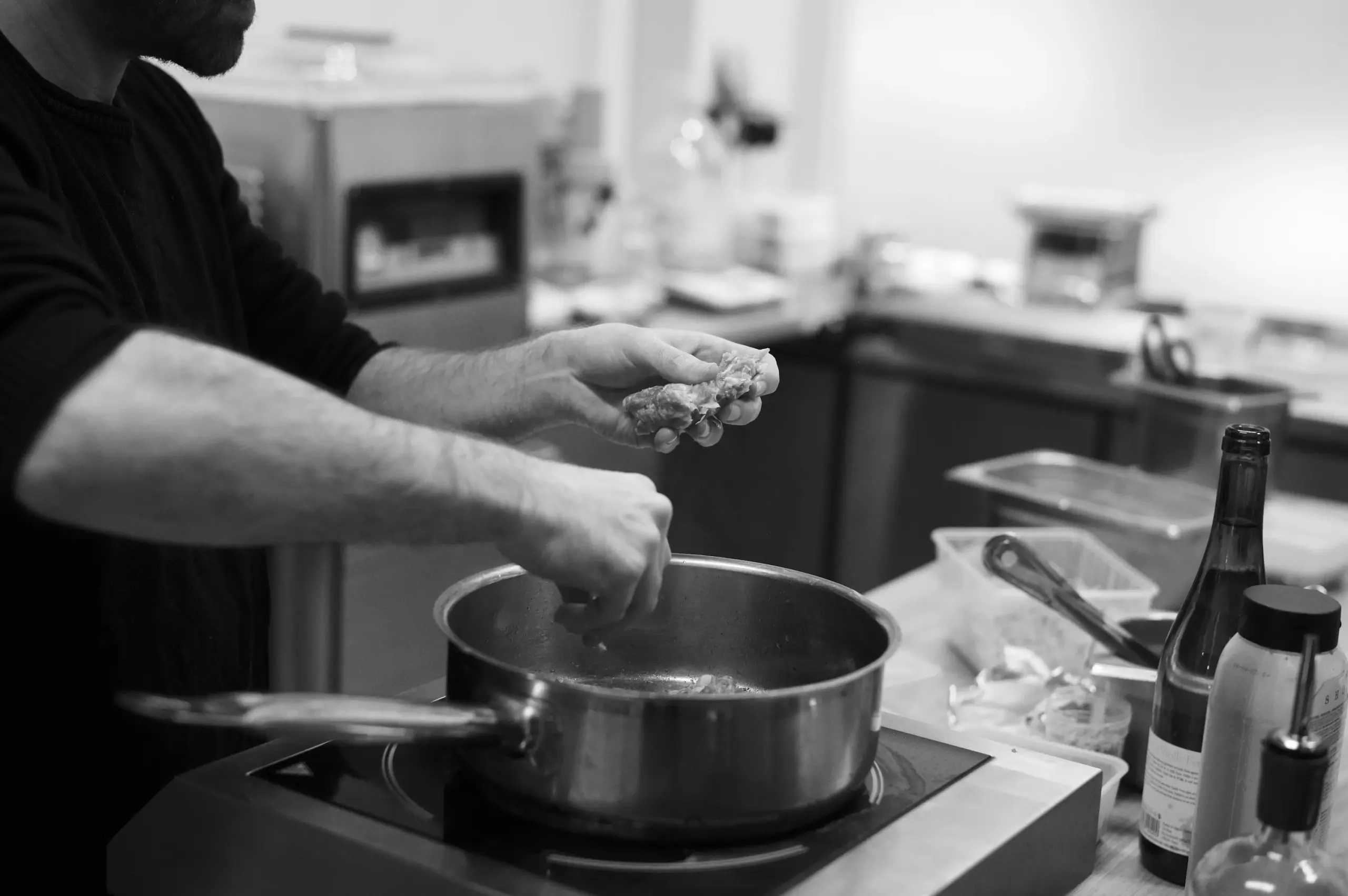
Not a cleaner name for a flavouring. We mean flavour built from food: grains, legumes, vegetables, yeast, herbs and other recognizable ingredients, transformed through cooking and fermentation.
The point is not to make food louder. It is to give it body, roundness, umami, roasted depth, and a longer finish. The things a chef would normally build with time, heat, and repetition.
That difference matters on the label too. People do not need a chemistry lesson before lunch. They want to understand what they are eating.
Fermentation does the slow work
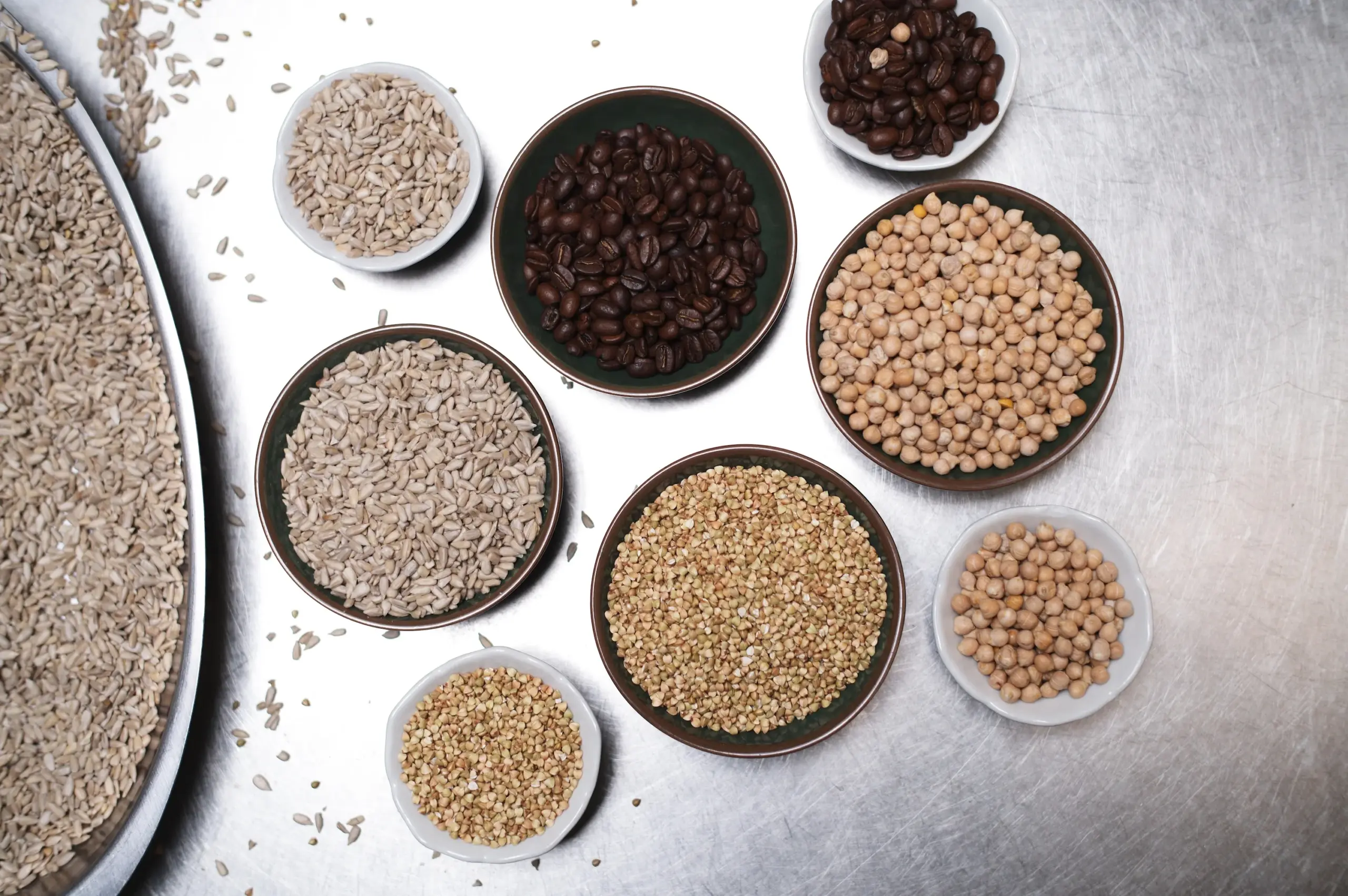
Fermentation is useful because it changes the ingredients itself. Proteins and carbohydrates break down, new aromas appear, bitterness can soften, savory depth grows. The result is not one isolated note. It is more like a base that already has some cooking inside it.
We use solid-state fermentation on plant ingredients, then bring the result back to the kitchen. That last part matters. Technology can create potential. A chef still must decide if it tastes good.
Where it earns its place
-
Ready meals that need to survive cooking, chilling and reheating without tasting flat.
-
Sauces, stocks and culinary bases that need depth without a long technical ingredient list.
-
Plant-based or meat-reduced recipes where bitterness, dryness or missing savory structure become obvious.
-
Roasted and cocoa-style applications where brands need complexity, body and a longer finish.
Reformulation is often framed as removal: less meat, less salt, fewer additives, lower cost. Fine. But once you take something out, you must put the eating experience back together. That is the real job.
Start with the plate
We rarely start with: “Which flavour note are we missing?” We start with the dish. What should it feel like? Where is it thin? What disappears after reheating? What would a cook do next?
The best solution is usually not the most complicated one. It is the one that tastes right, makes sense on the label, survives the factory and still works commercially.
Scale is not the enemy of good food. Flatness is.