Scale works. Flavour must work too.
The food industry has solved a lot of hard problems. It can feed thousands of people safely, consistently, and efficiently. Professional kitchens can do more with smaller teams. Manufacturers can repeat the same product across huge volumes.
That matters. But somewhere in that progress, flavour often became the thing we were willing to compromise on.

Strong is not the same as deep
Food can be salty, smoky, sweet or intensely “meaty” and still feel flat. Intensity hits. Depth stays.
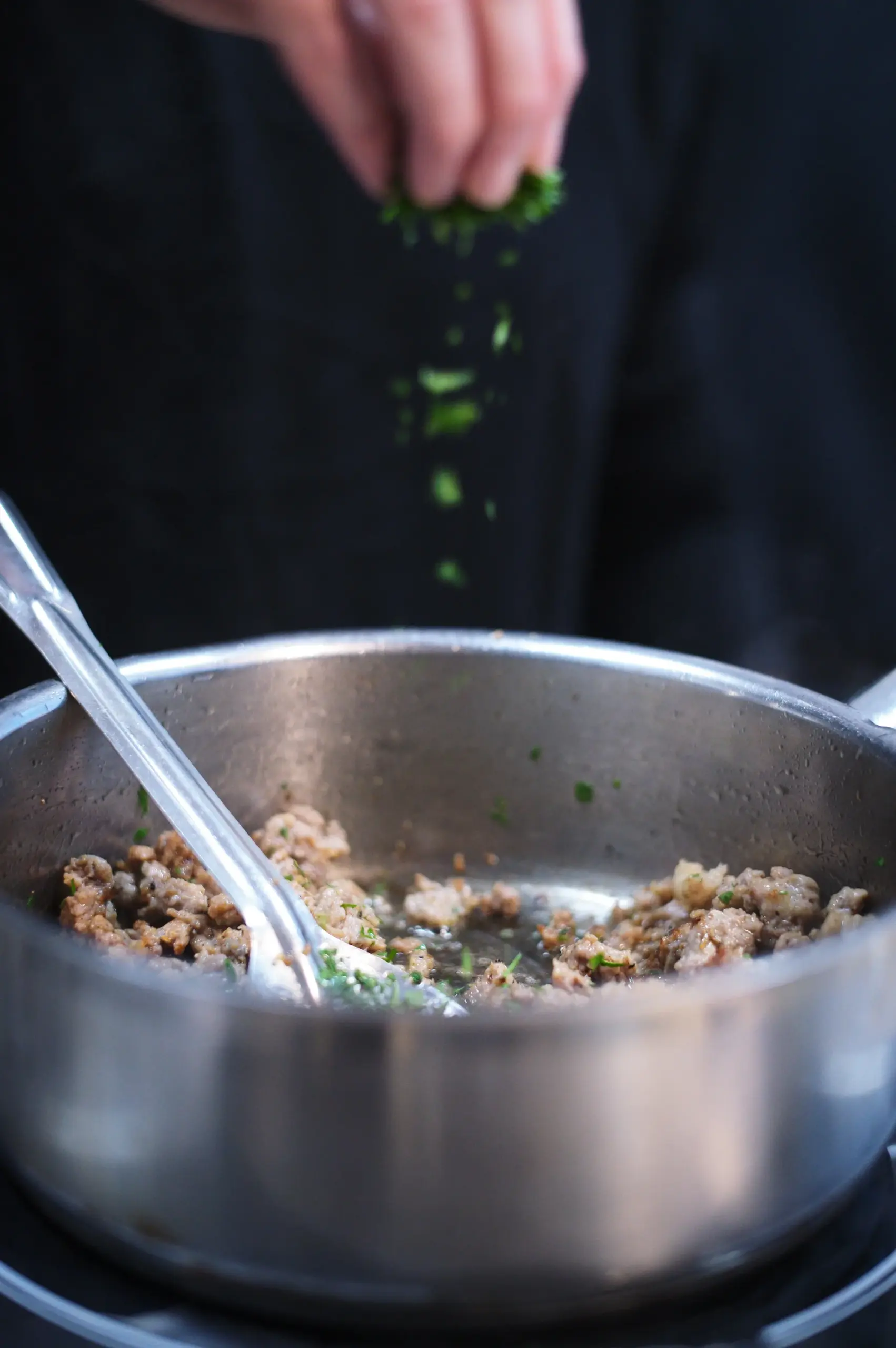
A cook builds depth through process: browning, reduction, fermentation, fat, acidity, time. One layer sits on another. Industrial flavour systems often try to reproduce the end signal without all that work. Sometimes they do it very well. Still, a note is not the same thing as a cooked foundation.
That is the gap: food that performs perfectly in a system but does not quite feel like food somebody cooked.
Kitchens are doing more with less
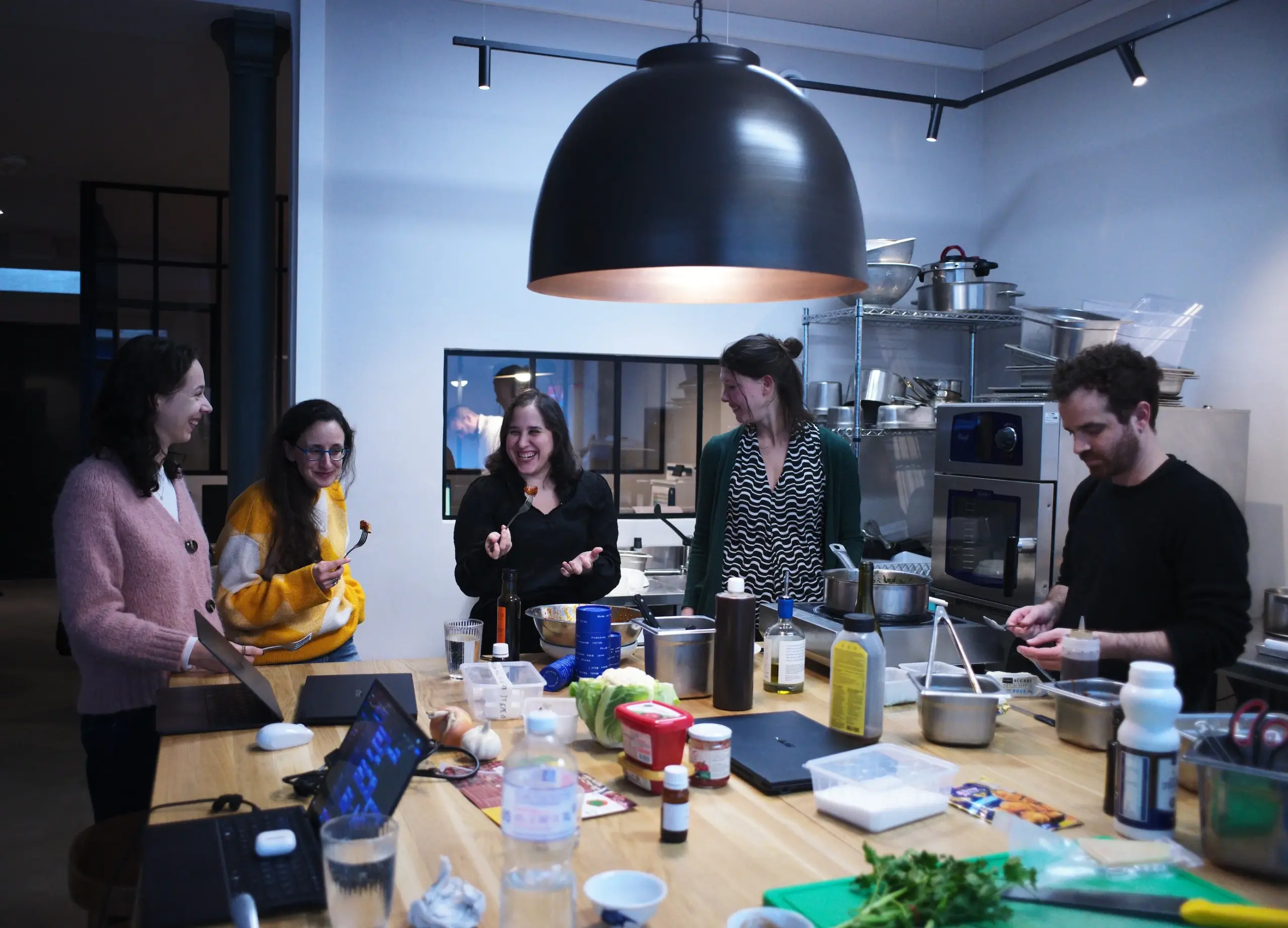
Professional kitchens are under pressure from every side. Labour is tight. Budgets are tight. Nutrition standards are moving. Ingredient lists are under more scrutiny. Service still must run.
You cannot ask every kitchen to make stock for twelve hours again. That is not realistic. But the answer should not be to accept less flavour either.
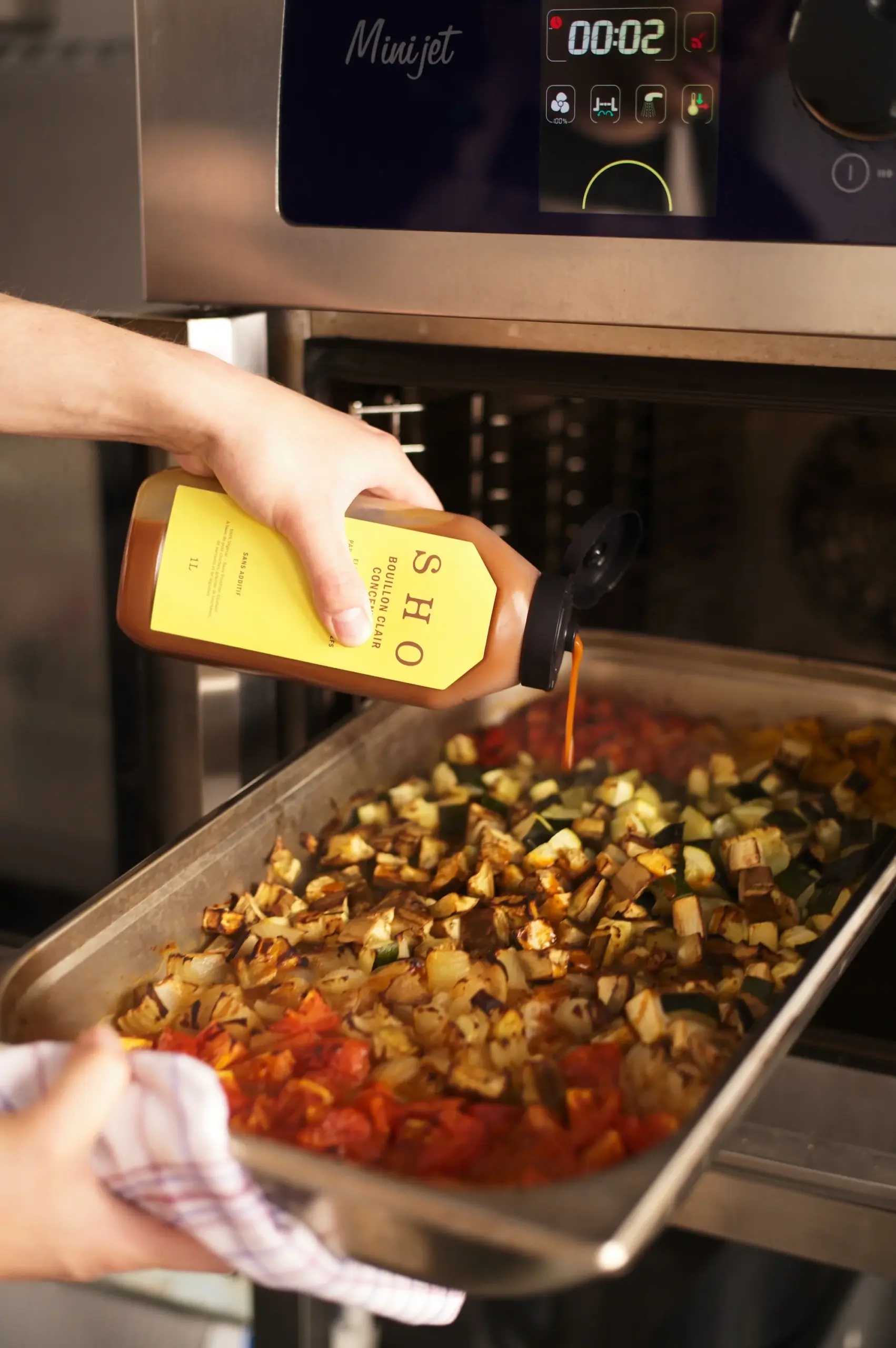
The useful middle ground is better culinary tools: ingredients with depth already built into them, consistent enough for scale, simple enough to use, but still based on real food and real process.

Flavour is built. Flavourings are added.
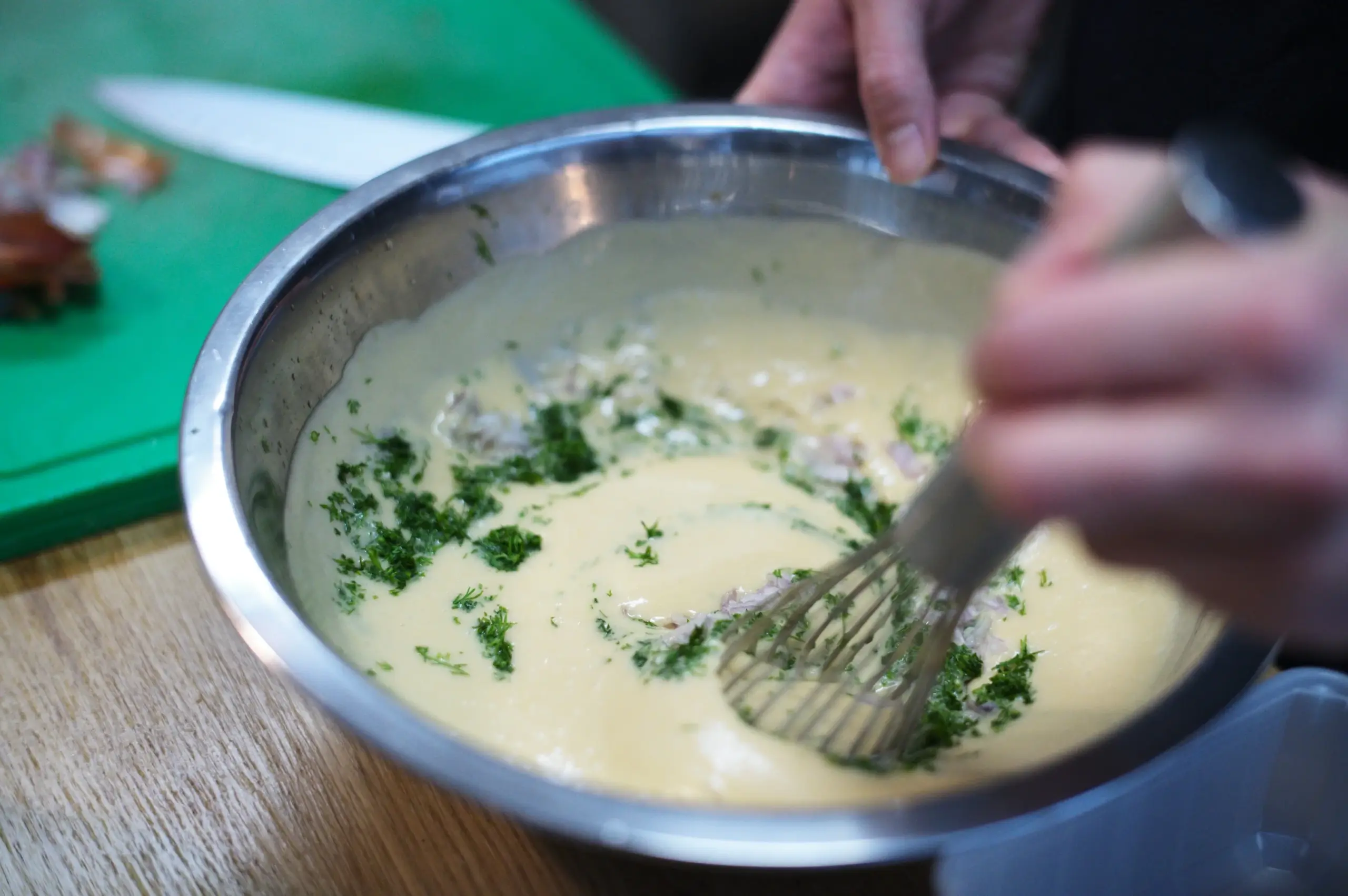
There is a difference. A roasted mushroom is not the same as a mushroom note. A sauce reduced until it has body is not the same as adding “richness” at the end. Fermented ingredients have changed. Time happened to it.
This is not an argument that every flavouring is bad. It is an argument for foundations. If the base is weak, removing salt, sugar or additives just exposes the problem underneath.
Fermentation brings some cooking logic back
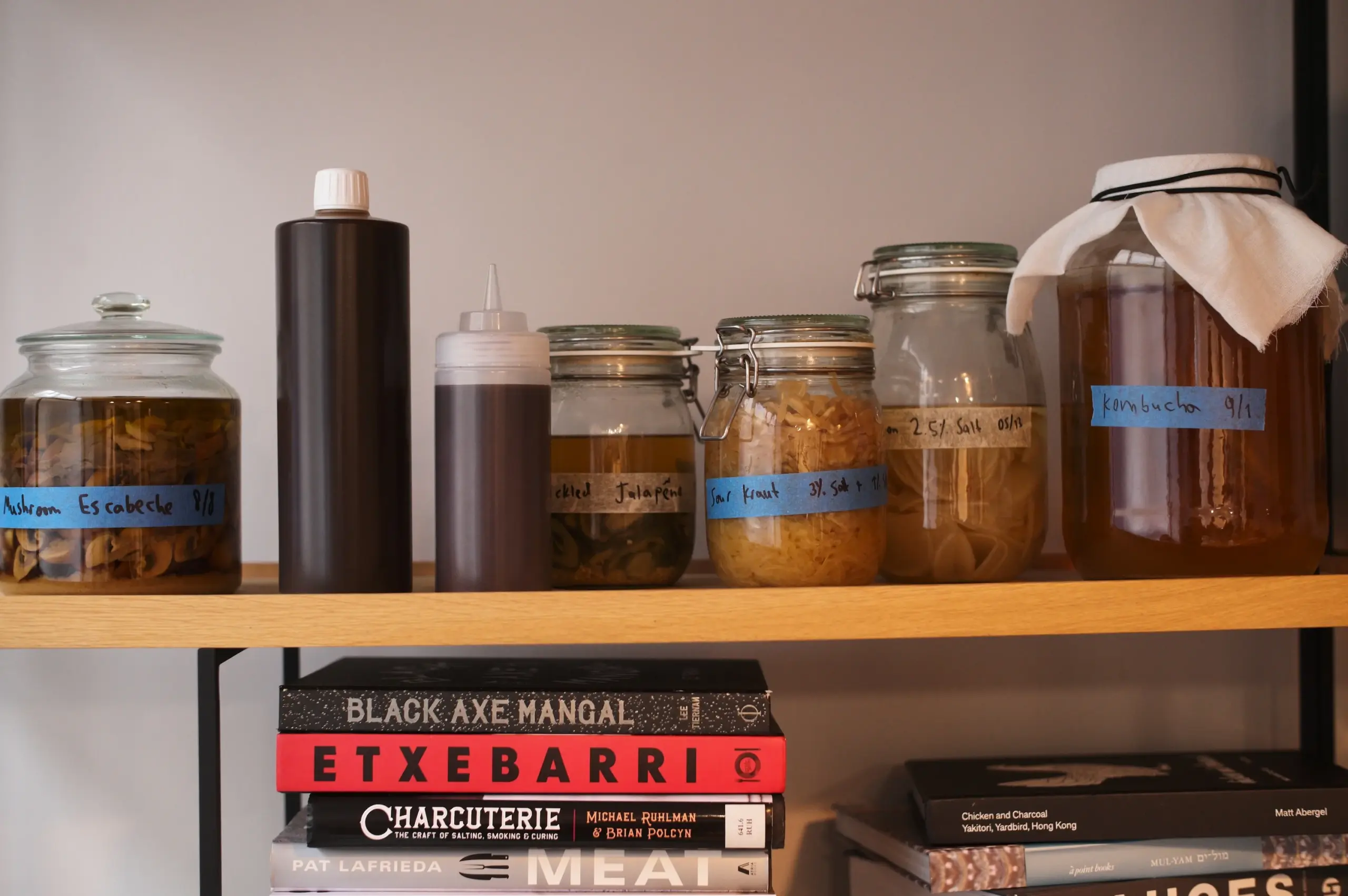
Fermentation is one way to carry slow work into a fast system. It can build natural savoury depth, create aromatic complexity, soften some off-notes and give plant ingredients more structure before they ever reach the pan.
That is especially useful for plant-based food. Plants do not need to pretend to be meat. They need the same seriousness we have always given meat: proper technique, heat, fat, acidity, fermentation, reduction, seasoning. Then they become interesting on their own terms.
A carrot does not need to be a steak. It does need to taste good.
The next standard
Scale is not going away. Nor should it. The next question is whether we can keep its strengths and bring better flavour foundations into it.
We think we can. Real ingredients. Fermentation used with intent. Products developed by cooks, tested in actual food, and made to perform under pressure.
Not to replace chefs. To give them something better to start from.
We already know how to make food at scale. Now we must make sure it is worth eating.
Closing the Gap
The industry gap isn’t a failure; it’s a sign that food has reached its next question.
We’ve learned how to produce at scale; now we need to protect what makes food worth producing: depth, transparency, culinary integrity, real flavour.
Large-scale food has too long been treated as a choice between performance and taste. That choice isn’t good enough anymore. The next food system needs ingredients that are honest, plant-based, and built through process fermentation not as a trend, but as a tool.
Because the future of food won’t be defined by who can imitate flavour most convincingly. It will be defined by who can build it honestly. At scale.