Case study – Marie x The Mediterranean Food Lab
Bœuf Bourguignon is not the kind of recipe you can quietly make thinner. The whole point is the sauce: dark, rounded, winey, slow-cooked. Take too much beef out and everybody notices.
Marie came to us with a cost challenge. Reduce one of the recipe’s most expensive ingredients without losing what makes the dish comforting in the first place.
The brief
We worked on two routes at the same time: a version with half the beef and lardons, and a fully vegan Bourguignon built around the same culinary identity.
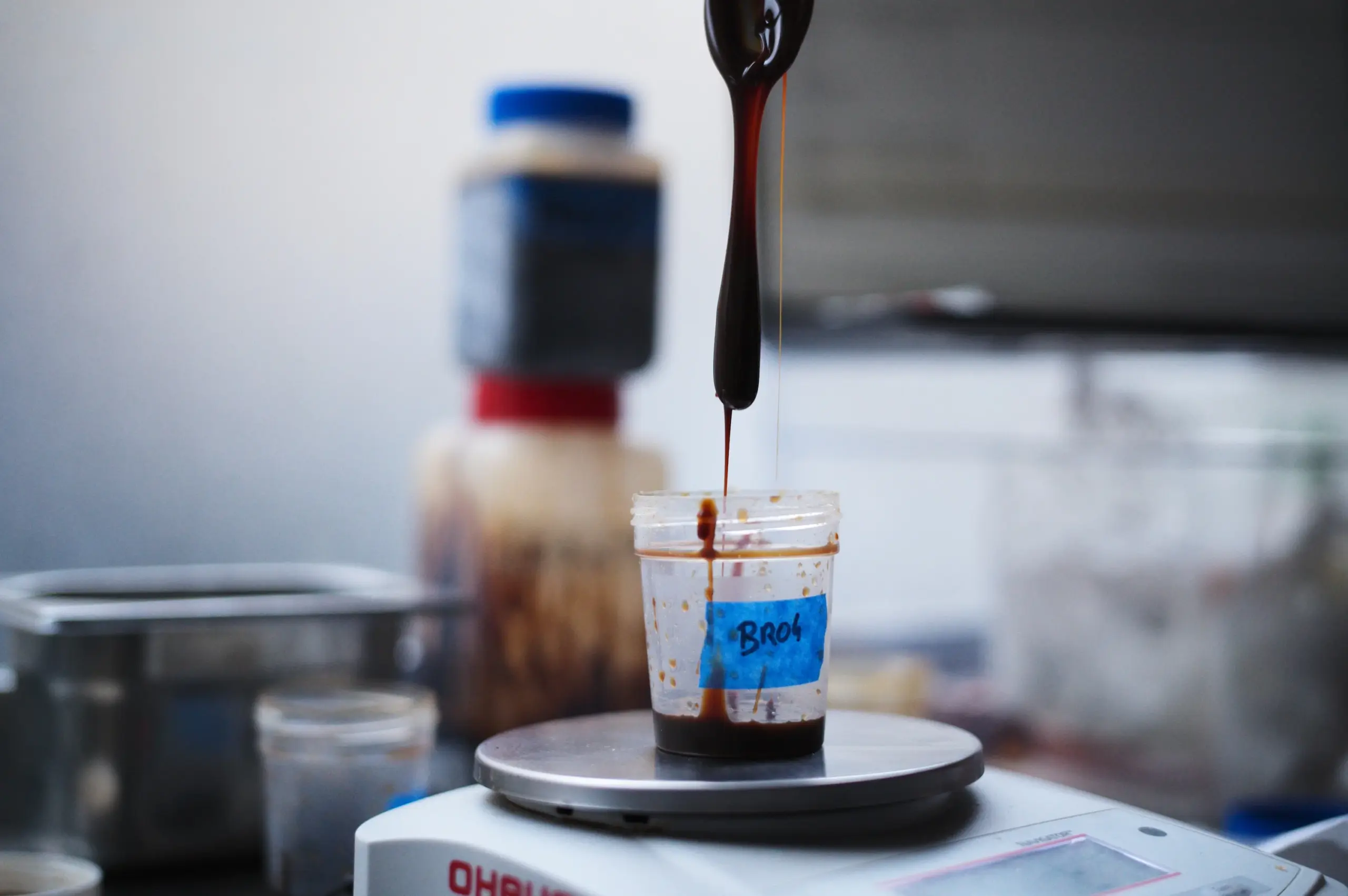
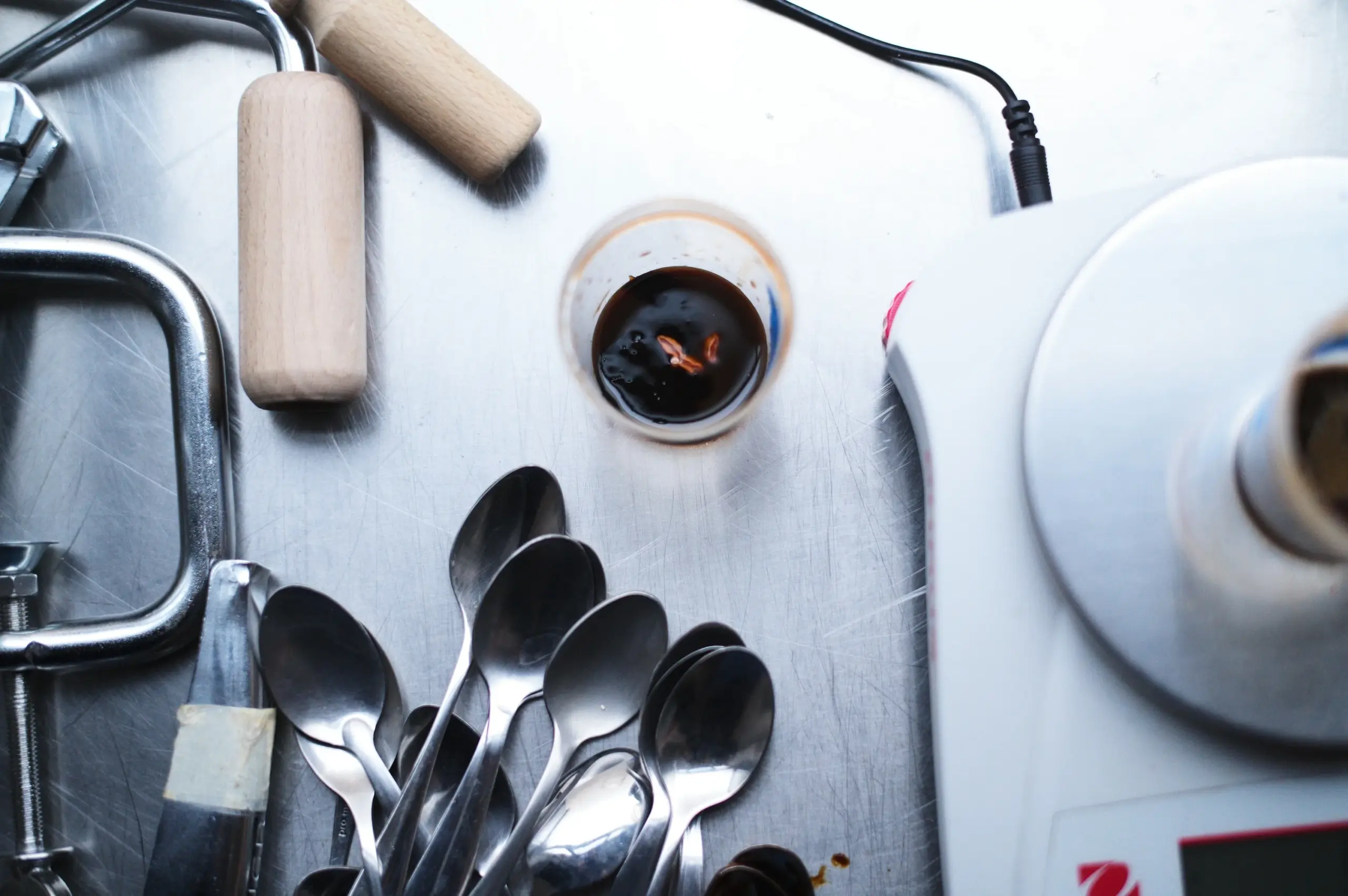
For both, we used a tailored fermented blend made from recognisable ingredients including chickpeas, sunflower seeds, buckwheat, vegetable concentrates, cooked yeast, herbs and spices.
Not to add one “beef” note. To rebuild the sauce.
Two routes
-
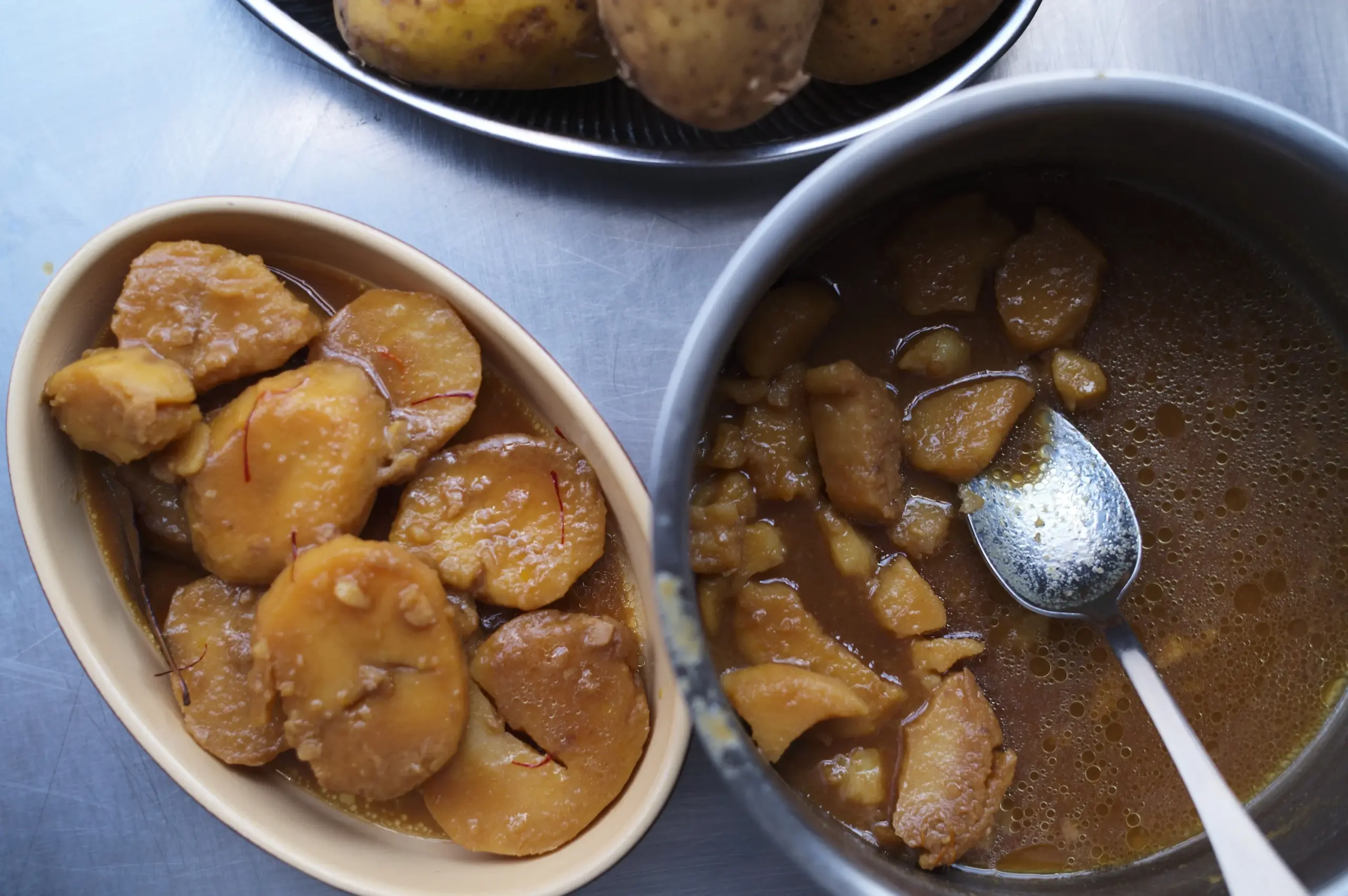
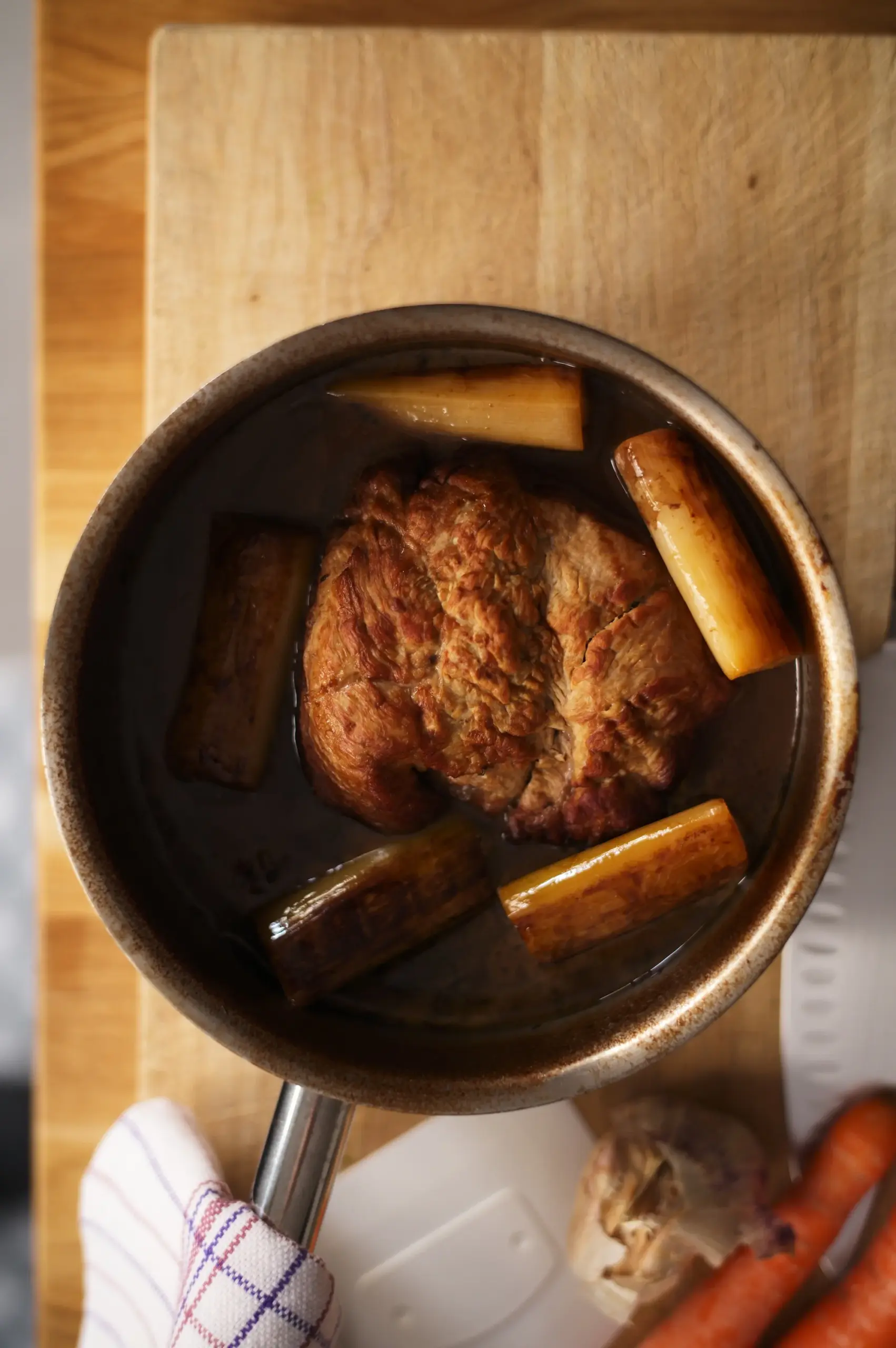
Half-meat version: beef and lardons reduced by 50%, with a projected recipe-cost reduction of at least 40%.
-
Vegan version: the fermented blend builds the savoury base, body and long finish from scratch, with a projected recipe-cost reduction of 80% at prototype stage.
The vegan route was never about making vegetables pretend to be beef. We wanted the dish to still read as Bourguignon: sauce, wine, depth, warmth.
Then we tasted it blind
A spreadsheet can tell you the saving. It cannot tell you whether the sauce still feels right.
Eight trained, blindfolded judges compared the recipes with and without the fermented blend. The versions with the blend scored higher on every attribute tested:
-
Mouthfeel: 58% vs 42%
-
“Beefy” character: 56% vs 44%
-
Long-cooked character: 56% vs 44%
The differences were not huge, which is useful to say. But they went in the same direction every time. The sauce felt fuller and more complete. That was the point.
The interesting bit was bigger than cost
The original brief was financial. The work opened two other doors as well:
-
A broader range: original, reduced meat and vegan can live around one recognisable dish.
-
A simpler ingredient story built from food ingredients people can understand.
-
A different way to think about reformulation: start with what must stay delicious, then solve the cost around it.
That is usually where the better projects go. You begin by trying to remove something and end up finding a new product idea.
What we would take from it
“Keep the flavour” is not a brief. Is it the roasted note? The body of the sauce? The wine? The finish? The comforting feeling after three bites? Decide that before changing the formula.
Then treat cost reduction as cooking, not just procurement. If you cut an ingredient that was doing structural work, rebuild that structure somewhere else.
Less meat can mean lower cost. It can also mean a new range, a different label and a genuinely good plant-based product. But taste still gets the final vote.

Bring us the challenge.
The dish, the constraint, and the bit of the eating experience you cannot afford to lose. We can work from there.