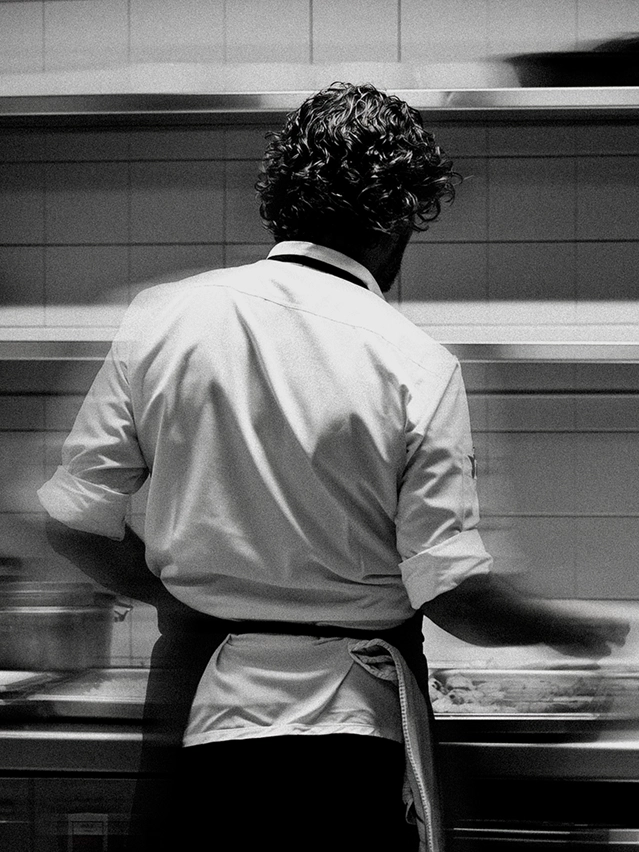
Why we cook has never been a small question for us.
At Eat The Truth, cooking started as an obsession with deliciousness. Not “good enough.” Not “healthy but disappointing.” Not “plant-based for the sake of being plant-based.”
Real deliciousness.
The kind of flavor that has body, depth, memory, and warmth. The kind of flavor that makes a dish feel complete. The kind of flavor that makes you go back for another spoonful before you even think about why.
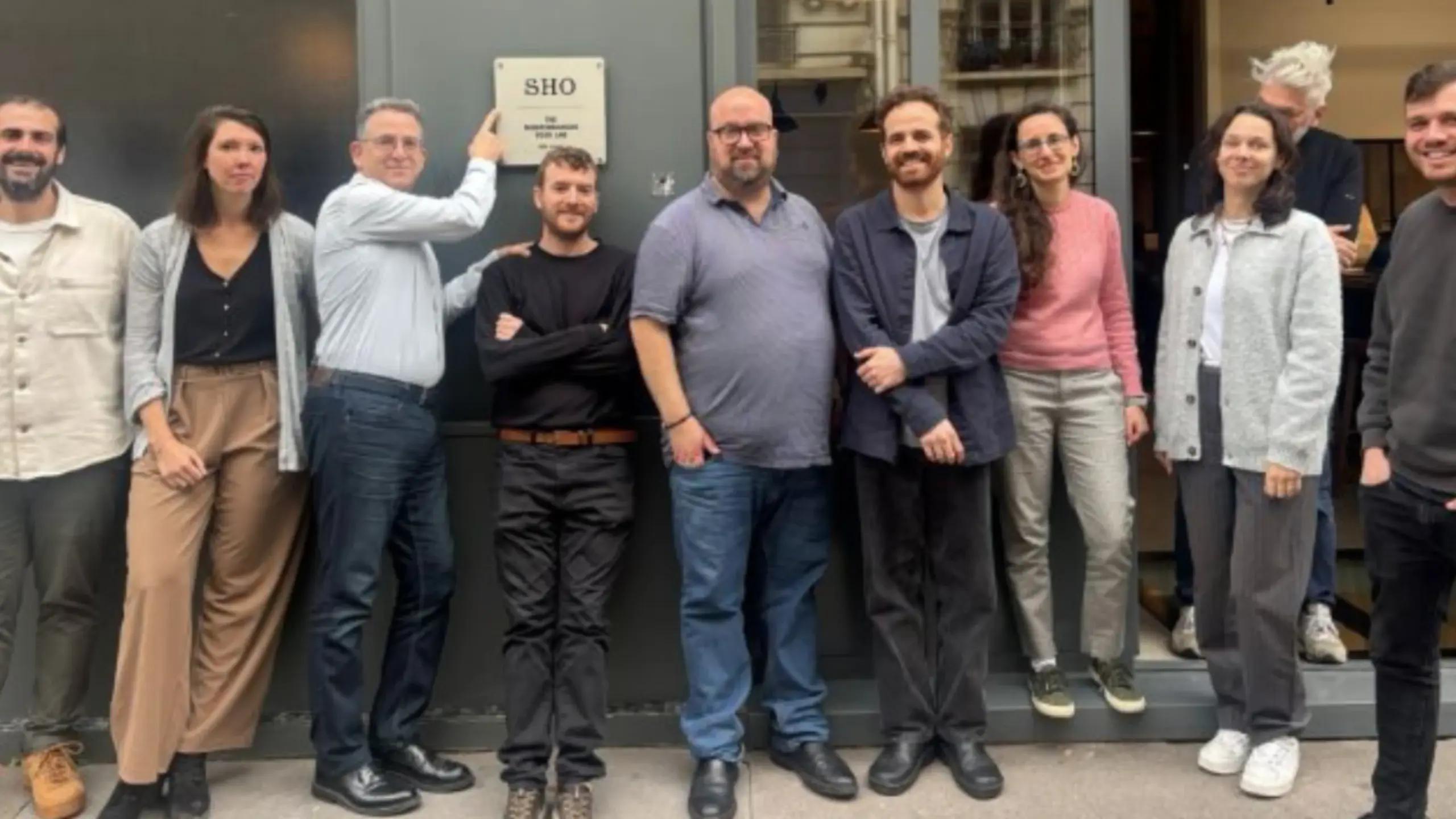
Eat The Truth was founded by three cooks and a filmmaker, brought together by the same belief: food should be generous, real, and deeply satisfying.
We loved meat. We respected it. We cooked it carefully, locally, responsibly, and nose-to-tail.
But the more we cooked, the more one question kept returning:
Could we create the same culinary depth without relying on meat?
That question changed everything.
Table of Contents
- Deliciousness Started It All
- The Problem We Could Not Ignore
- We Did Not Want to Imitate Meat
- The Discovery: Fermentation as a Flavor Tool
- What We Mean by Culinarity
- From Fine Dining Flavor to Culinarity at Scale
- Who We Cook For Today
- Why It Matters
- Conclusion
Deliciousness Started It All
Before Eat The Truth, there was a bistro.
Its name was Brut.
The food was inspired by French and Northern Italian cooking: generous, hearty, precise, and full of flavor. Meat was at the center of many dishes, not because we followed a trend, but because meat has always played a powerful role in traditional cooking.
It brings umami.
It gives structure to sauces.
It builds depth in stocks.
It adds roundness to stews, pasta dishes, casseroles, broths, and slow-cooked recipes.
At Brut, we sourced meat locally and responsibly. We cooked nose-to-tail because wasting an animal never made sense to us. We treated each cut with care.
We believed that if meat was going to be served, it had to be respected.
But still, it was meat.
And slowly, something began to shift.
More guests were asking for vegetarian, vegan, and flexitarian options. Not as an afterthought. Not as a compromise. They wanted dishes with the same pleasure, the same generosity, and the same emotional impact as the rest of the menu.
At the time, we had exactly one vegan option and one vegetarian option.
That was not enough.
Common Mistake:
Many kitchens treat meat-free cooking as subtraction: remove the meat, replace it with vegetables, and hope the dish still works. But when meat plays a structural flavor role, removing it changes everything.
We could cook vegetables.
We could cook grains, pulses, roots, mushrooms, herbs, and legumes.
We knew how to make plants taste good.
But making them taste delicious in the way meat is delicious?
That was the problem.
And honestly, at first, we were lost.
The Problem We Could Not Ignore
The challenge was not simply creating another vegan dish.
The challenge was understanding what meat actually does in cooking.
Meat is not only a main ingredient.
PLANTS
Grains · Pulses · Legumes · Seeds · Roots
↓
FERMENTATION
Solid-state fermentation
↓
DEPTH
Umami · Body · Roundness · Roasted notes · Long finish
↓
SCALE
Sauces · Stocks · Soups · Stews · Pasta · Ready meals
In many recipes, it is an invisible engine. Even when it does not appear as the hero of the plate, it often gives the dish its foundation.
Think of a sauce that tastes slow-cooked.
A broth that feels round and complete.
A pasta filling with depth.
A stew that tastes like it has been simmering for hours.
A jus that makes everything around it better.
In many culinary traditions, meat is doing quiet work in the background. It brings complexity, savoriness, fat perception, roasted notes, and lingering depth.
So when guests asked for more meatless dishes, the question was not simply:
What can we put instead of meat?
The real question was:
How do we rebuild the depth that meat usually provides?
That question became our obsession.
Because without depth, meat-free cooking can easily become flat.
It can be fresh, but not satisfying.
Healthy, but not craveable.
Creative, but not comforting.
Beautiful, but not complete.
And that was not good enough for us.
We did not want to serve dishes that people ordered only because they had no other choice.
We wanted to serve meat-free dishes that people would choose because they were genuinely delicious.
We Did Not Want to Imitate Meat
At the time, much of the food world was trying to make plants look, bite, bleed, or chew like meat.
We understood why.
There is value in familiarity. There is value in giving people an easier way to reduce meat. There is value in creating burgers, sausages, and nuggets that feel recognizable.
But that was not the path that excited us most.
We were cooks.
We were not trying to copy a steak.
We were trying to solve a deeper culinary problem.
Most of the world’s cooking does not depend on meat only as a centerpiece. It depends on meat as a flavor builder.
That role is everywhere:
- In stocks and broths
- In ragù and sauces
- In braises and casseroles
- In soups and stews
- In fillings and stuffings
- In pasta dishes
- In rice dishes
- In slow-cooked meals
- In ready-made food
- In restaurant prep
- In industrial recipes
So we began to ask a different question.
What if plants could bring the same depth, richness, and complexity as meat, without pretending to be meat?
That was the beginning of Eat The Truth.
Not a mission to imitate meat.
A mission to unlock flavor.
Expert Tip:
The future of meat-free cooking is not only about imitation. It is also about culinary function: depth, body, umami, roundness, and the ability to make a recipe feel complete.
This distinction matters.
A meat imitation tries to reproduce the experience of eating meat.
An alternative to meat can do something more subtle and more useful: it can replace the hidden role meat plays inside a recipe.
That is where we saw the opportunity.
Not in creating another plant-based burger.
But in helping food taste cooked.
The Discovery: Fermentation as a Flavor Tool
One night, after another service full of requests for meatless dishes, we had an idea.
What if fermentation could unlock the flavor potential of plants?
Not fermentation as a trend.
Not fermentation as a marketing word.
Fermentation as a serious culinary tool.
Cooks have relied on fermentation for centuries to create complexity. Miso, soy sauce, sourdough, cheese, vinegar, koji, tempeh, and countless traditional ingredients all show the same truth:
Time, microbes, and technique can transform simple raw materials into something much deeper.
For us, fermentation was not about making food strange.
It was about making food more itself.
Plants → Fermentation → Transformation → Depth → Culinarity
More complex.
More generous.
More layered.
More alive.
After almost two years of study and experimentation, we discovered solid-state fermentation, also known as SSF.
Solid-state fermentation uses microorganisms to transform ingredients in a low-moisture environment. It is a process that can reveal flavors and textures that are not obvious in the original raw material.
In our case, we were looking for something very specific.
We were looking for flavor with body.
Flavor with length.
Flavor with the kind of savory complexity usually associated with meat and other animal proteins.
And through solid-state fermentation, we found it.
We discovered that plants could be transformed into something deeper, richer, and more culinary than we had imagined.
Not meat.
Not fake meat.
Something else.
Something with its own truth.
We gave that quality a name.
Culinarity.
What We Mean by Culinarity
Culinarity is not just umami.
It is not just saltiness.
It is not just roasted flavor, richness, or texture.
Culinarity is the sense that a dish has been properly cooked.
It is the depth that lingers on the palate. The body that makes a sauce feel complete. The slow-cooked impression that gives food warmth and generosity.
It is what makes a stew taste like it has history.
It is what makes a broth feel alive.
It is what makes a meat-free dish stop feeling like a compromise.
For us, culinarity means:
- Depth of flavor
- Long-lasting savoriness
- Roundness on the palate
- Complexity without heaviness
- A cooked, chef-made character
- The ability to support complete dishes
- A flavor role that can replace meat’s hidden function
This is why we do not describe Eat The Truth as a meat alternative in the usual sense.
We are not trying to create a copy of meat.
We are developing alternatives to meat for the many dishes where meat plays a crucial but often hidden role.
Soups.
Stocks.
Sauces.
Casseroles.
Pasta.
Ready meals.
Restaurant preparations.
Industrial recipes.
Everyday cooking.
Culinarity is not about tricking anyone.
It is about giving cooks and food makers a new foundation for flavor.
Summary:
Eat The Truth is not built around imitation. It is built around culinary function: helping plants bring the kind of depth, complexity, and body that meat traditionally provides in cooked dishes.
When a dish has culinarity, it feels complete.
It does not ask for excuses.
It does not need to announce itself as “almost as good.”
It simply tastes good.
And that is the point.
From Fine Dining Flavor to Culinarity at Scale
Once we understood what fermentation could do, we faced another challenge.
Creating deep flavor in a restaurant kitchen is possible when you have time, skilled cooks, premium ingredients, careful prep, and a full team behind every plate.
But most food is not made that way.
Most food needs to work at scale.
Restaurants need consistency.
Food developers need reliability.
Manufacturers need ingredients that perform in real production environments.
Cooks need solutions that save time without flattening flavor.
Consumers want better meat-free food that still feels generous, comforting, and complete.
That is where our mission became clear.
We wanted to democratize culinarity.
We wanted to take the kind of flavor usually reserved for chef-made meals and make it accessible to more kitchens, more recipes, and more people.
Not only for chefs.
Not only for fine dining.
But for food companies, food developers, cooks, and culinary champions who believe food should taste delicious and be real — a core idea reflected in the Eat The Truth brand world.
This is what we mean by culinarity at scale.
It is the ability to bring chef-level depth into food systems that need to be consistent, efficient, and scalable.
It is for the restaurant that wants a better plant-forward sauce.
The manufacturer developing a meat-free ready meal.
The food company reformulating a recipe without losing depth.
The chef who refuses to serve a disappointing vegetarian dish.
The developer who needs more than a flavoring.
The culinary team that wants food to taste cooked, not engineered.
Eat The Truth was born from cooks, but it was not created only for restaurant kitchens.
It was created for everyone who has to make food delicious in the real world.
Who We Cook For Today
Eat The Truth was born by cooks, but it was built for everyone responsible for making food taste better.
Today, we cook for cooks, food companies, food developers, restaurants, manufacturers, and culinary teams who refuse to choose between deliciousness and better food systems.
Cooks and Chefs
For chefs, flavor is not optional.
A meat-free dish has to stand proudly on the menu. It cannot feel like a side dish pretending to be a main course. It has to deliver pleasure, structure, depth, and satisfaction.
Eat The Truth helps cooks build that depth faster, with ingredients designed to support real culinary work.
It gives them a way to create meat-free food that still feels generous, layered, and complete.
Restaurants and Foodservice Teams
In restaurants and foodservice, consistency matters.
Teams need meat-free solutions that are delicious, reliable, and easy to integrate into existing workflows.
Eat The Truth can help create broths, sauces, bases, fillings, and dishes that feel complete without depending on meat.
That matters because customers are not asking for less pleasure.
They are asking for better options.
Food Developers
Food developers face a difficult brief.
Make it delicious.
Make it scalable.
Make it stable.
Make it cost-conscious.
Make it meat-free.
Make it feel real.
That is a lot to ask from one ingredient or one process.
Eat The Truth exists to help bridge the gap between culinary ambition and technical feasibility.
It gives food developers a new way to think about meat-free depth — not only as a flavor note, but as a culinary foundation.
Food Companies and Manufacturers
For food companies, taste drives repeat purchase.
A product may be sustainable, nutritious, or innovative, but if it does not taste good, people will not come back to it.
Eat The Truth helps manufacturers create meat-free products with more depth, more body, and more culinary credibility.
That can matter in many categories:
- Ready meals
- Sauces
- Soups
- Stocks
- Frozen meals
- Pasta dishes
- Plant-forward prepared foods
- Foodservice bases
- Culinary ingredients
The goal is simple: make meat-free food that people want to eat again.
Flexitarian Consumers
Many people are not trying to give up meat overnight.
They are trying to eat less of it.
But they do not want to give up the dishes they love. They still want comfort, generosity, and satisfaction.
That is why better meat-free flavor matters.
When plant-forward food tastes complete, the choice becomes easier.
Not forced.
Not moralistic.
Not disappointing.
Just delicious.
Why It Matters
The food world does not need more disappointing compromises.
It needs better tools.
For years, plant-based cooking has often been framed as a trade-off:
Less meat, less pleasure.
Less impact, less depth.
Better values, weaker flavor.
We do not accept that.
We believe the next step is not asking people to lower their expectations. It is raising the quality of meat-free food.
Because when meat-free food is genuinely delicious, more people choose it naturally.
Not because they are forced.
Not because they feel guilty.
Not because it is the only option.
But because it tastes good.
That is the real opportunity.
Sustainability cannot live on intention alone. It has to be cooked into food people want to eat again and again.
Attention:
A meat-free product does not win because it is meat-free. It wins when people want a second bite, a second plate, and a second purchase.
That is why we cook.
We cook to make better choices desirable.
We cook to make plants deeper.
We cook to help food makers create recipes that feel complete.
We cook because deliciousness is not a detail.
It is the reason people come back.
And if we want food to change, it has to remain food first.
Conclusion
Why we cook is simple.
We cook because food should be delicious first.
We cook because plants have more potential than most people imagine.
We cook because meat has taught the world what depth, body, and satisfaction can feel like — and now we want to create that same culinarity without depending on meat.
We cook for chefs who refuse compromise.
For food developers solving impossible briefs.
For companies trying to make better products.
For restaurants serving a new generation of guests.
For people who want to eat differently without losing the pleasure of a real meal.
Eat The Truth began in a bistro, with three cooks, a filmmaker, and a problem we could not ignore.
Today, it continues with fermentation, culinarity, and one clear mission:
To make meat-free food taste deeply, honestly, unmistakably delicious.
Want to understand how fermentation helps us unlock culinarity from plants?