Eat The Truth did not start with technology. It started with a plate.
We were cooks. We wanted food to be generous, deep, and a little addictive in a good way. Not “good for plant-based”. Just good.
It started at Brut
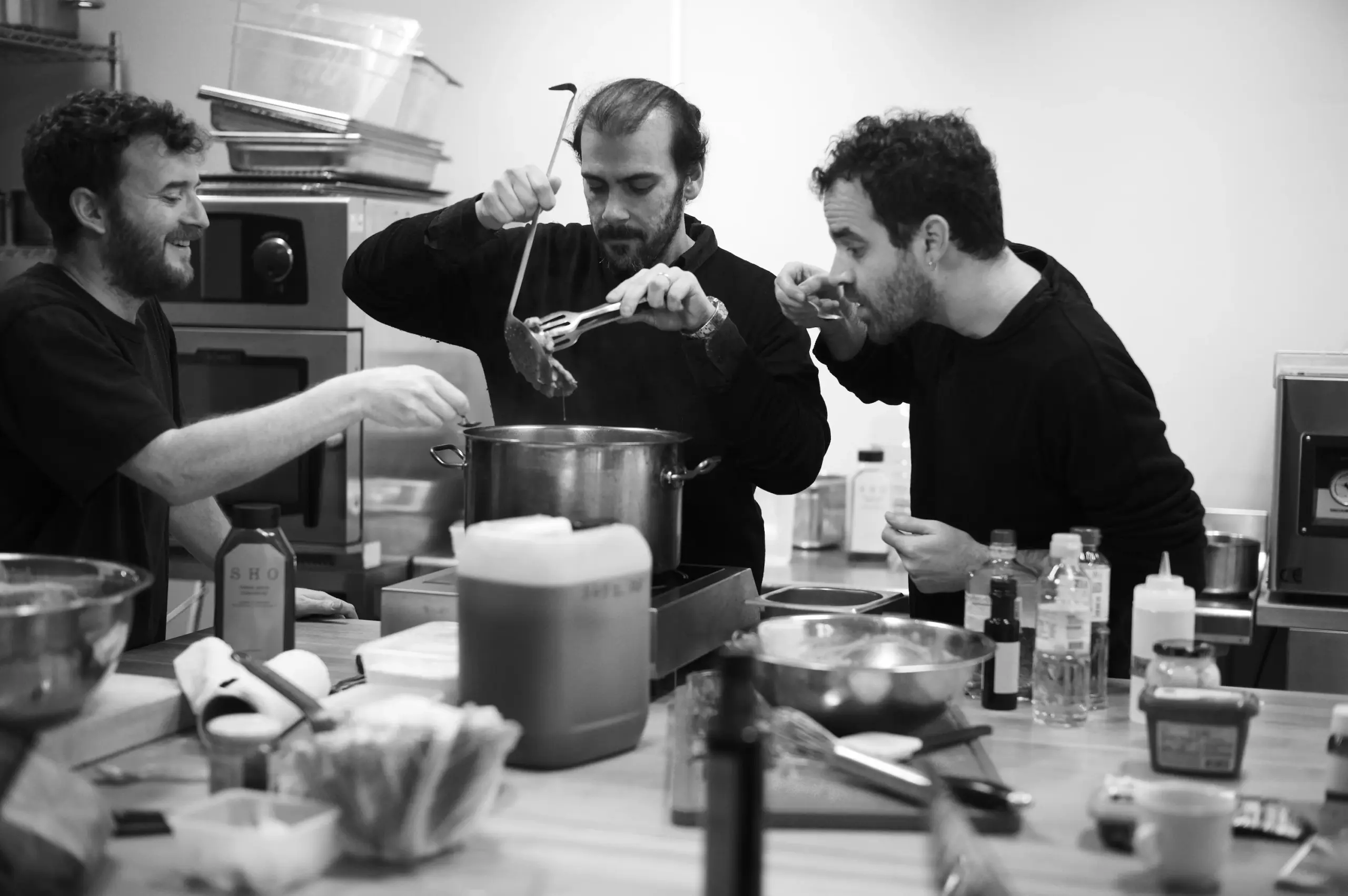
Before Eat The Truth, there was Brut, our bistro. French and Northern Italian in spirit. Meat was part of the cooking, and we treated it seriously: good sourcing, nose-to-tail, nothing wasted.
Meat also did a lot of invisible work. It gave body to stocks. Depth to sauces. Roundness to braises.
Then more guests started asking for vegetarian and vegan dishes with the same pleasure as the rest of the menu.
We had one vegan dish and one vegetarian dish. Clearly, that was not enough.
We knew how to cook vegetables. The harder question was: how do you rebuild the depth meat gives to a dish, without just copying meat?
We were not looking for fake meat
At the time, a lot of plant-based innovation was focused on imitation: make it look like meat, bleed like meat, chew like meat. We understood why. It just was not our problem.
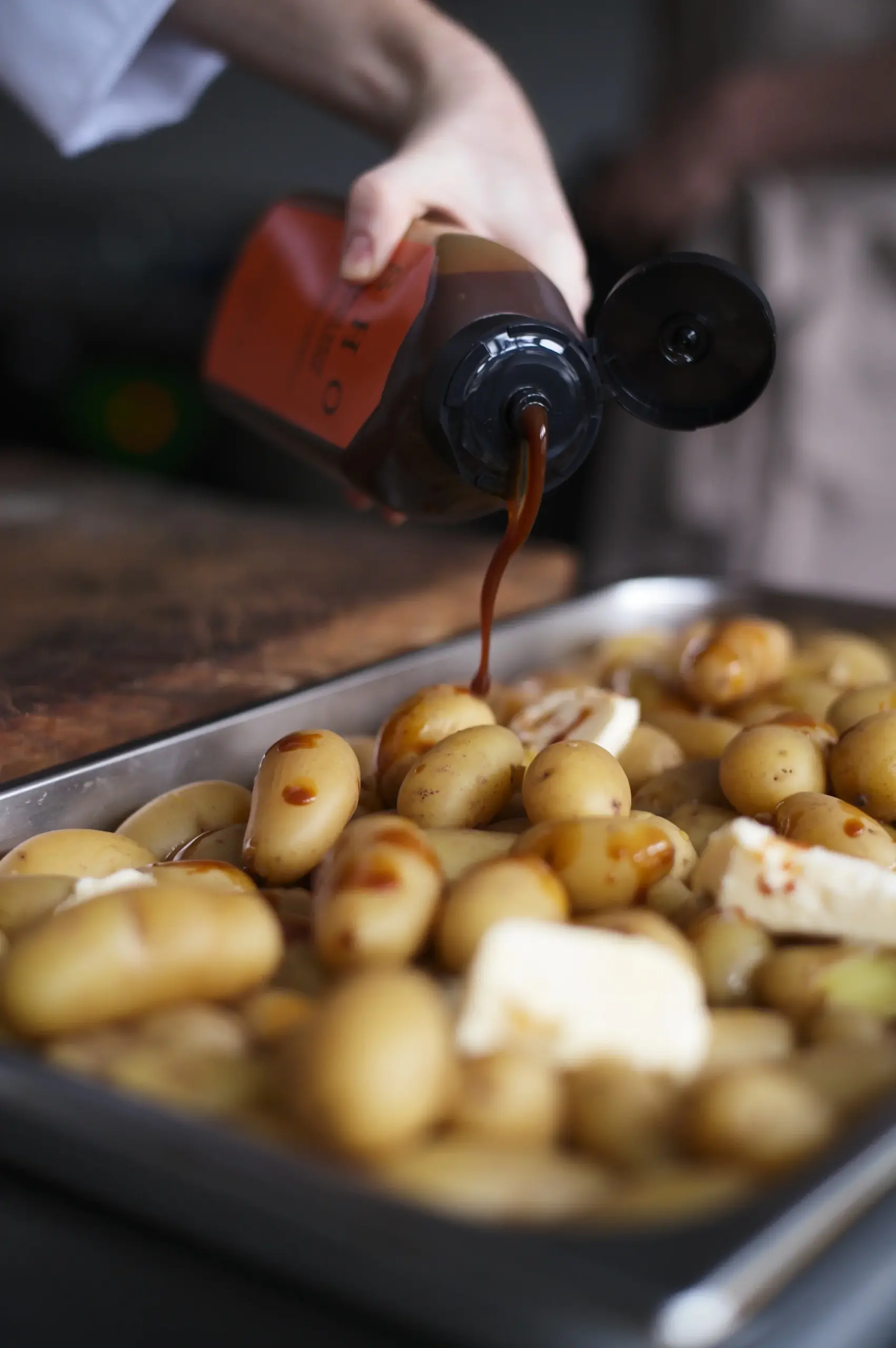
Our problem was what sits underneath. The stock. The sauce. The savory base. The thing that makes a dish feel finished.
Could plants do that job in their own way? That question is where Eat The Truth began.
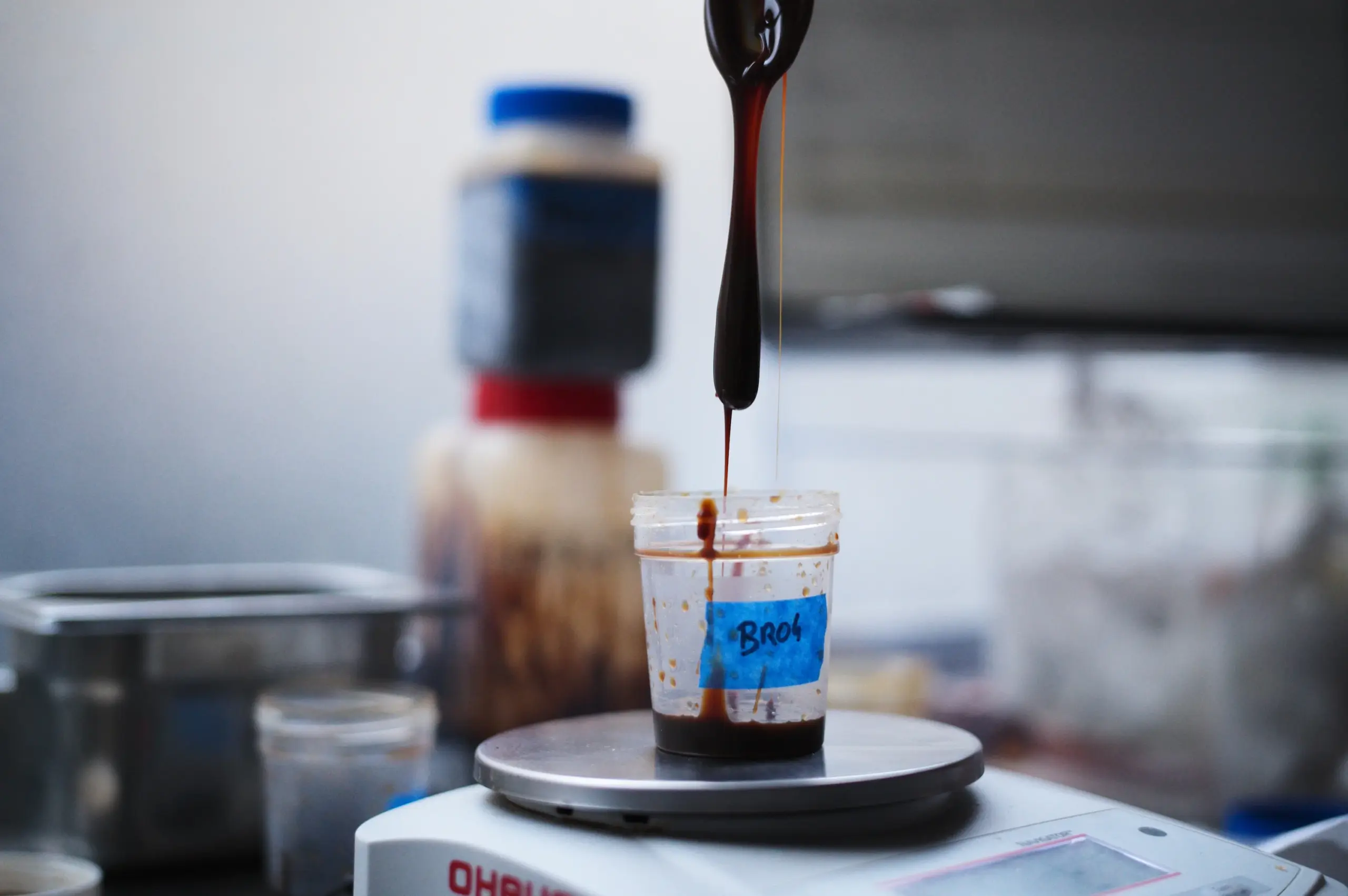
Fermentation gave us a way in
Miso, soy sauce, sourdough, koji, tempeh – cooks have been using fermentation for centuries to turn simple ingredients into something deeper.
After almost two years of research, we focused on solid-state fermentation. We ferment plant ingredients in a low-moisture environment and use that transformation to build body, length and savory complexity.
The result was not meat. Not fake meat either. Something with its own taste and its own use in the kitchen.
We call it culinarity
Culinarity is the feeling that a dish has been properly cooked. It has a base. A middle. A finish. The sauce is held together. The flavour stays a little longer than you expected.
It is not just umami, and it is not one roasted note. It is the structure behind delicious food.
That is what we are trying to make easier to access – not only in a fine-dining kitchen with time and skilled hands, but in restaurants, catering operations and food production too.
Why it still matters
Plant-based food has been sold as a compromise for too long. Less meat, therefore less pleasure. We do not buy that.
People will not keep choosing better food because a sustainability slide told them to. They choose it because they want another bite.
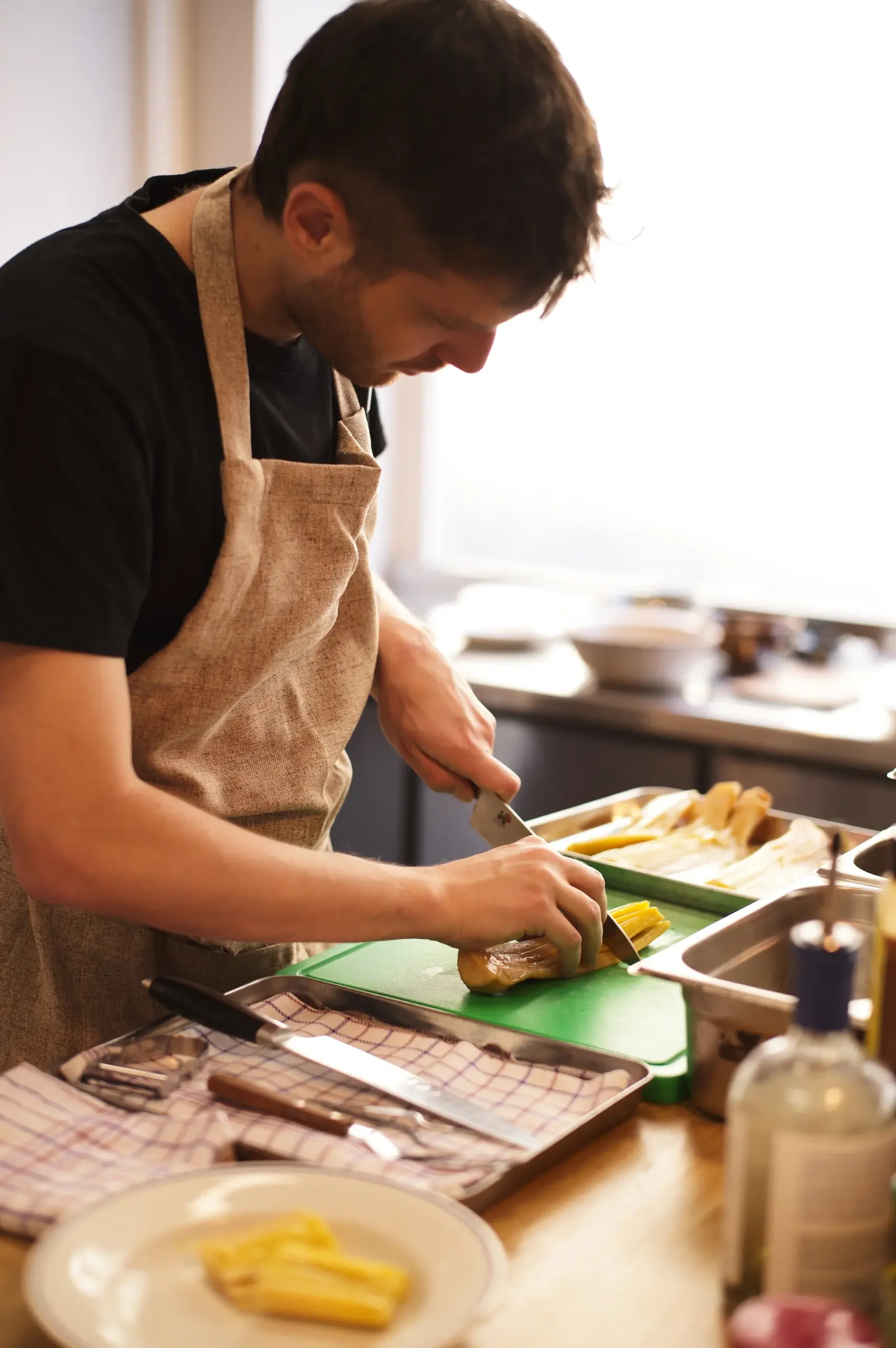
So that is why we cook. To make real ingredients more delicious. To see what plants can become. To give chefs and food developers better foundations. And cutting back on meat feels like gaining something, not losing it.
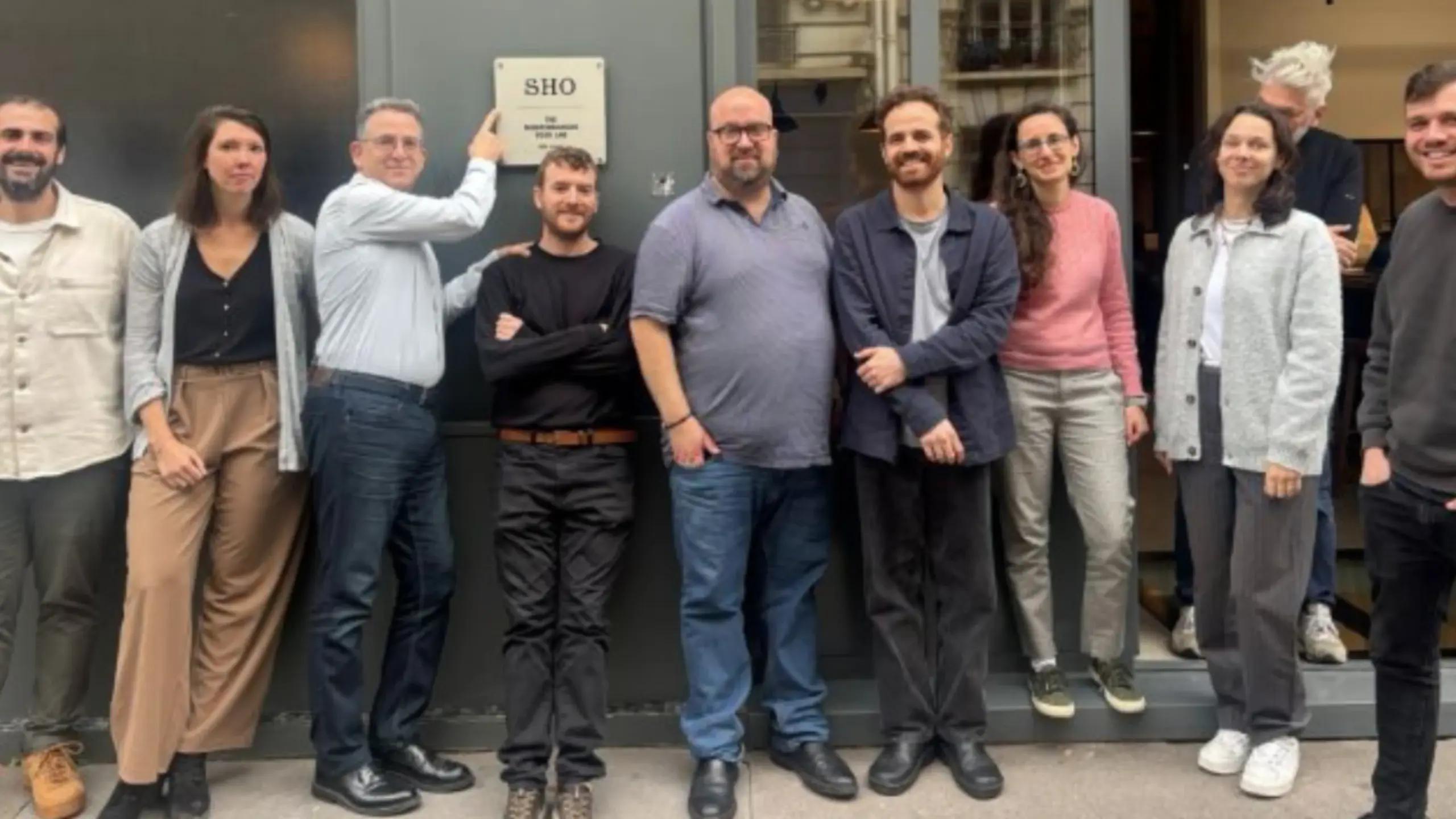
Eat The Truth began with three cooks, a filmmaker and a question we could not leave alone. We are still working on the same question. The kitchen just got bigger.